
Patients researching a tummy tuck in Beverly Hills may focus on tighter skin and a flatter stomach, but questions about the belly button come up just as often, including whether it will move or still look natural. Dr. Charles Galanis, a board-certified plastic surgeon who has taught international courses on creating a natural-looking belly button during abdominoplasty, the medical term for a tummy tuck, treats this detail with the same precision as the rest of the procedure. Depending on the technique used, the belly button may stay exactly where it is or be carefully repositioned for a balanced, natural result.
Below, we break down how belly button placement differs by tummy tuck type and what makes Dr. Galanis's approach to it stand apart.
How Belly Button Placement Differs by Tummy Tuck Type
The right technique depends on how much loose skin and muscle separation a patient has, along with their goals for the midsection. At Galanis Plastic Surgery, the four primary tummy tuck options handle the belly button differently:
- Mini tummy tuck: The belly button stays in its original position, since skin removal is limited to the area below the navel.
- Hybrid tuck: The belly button remains in place while the surgeon fully repairs the abdominal muscles from the sternum to the pubic area.
- Traditional (full) tummy tuck: The belly button is repositioned as part of removing excess skin above and below the navel.
- Extended tummy tuck: The belly button is repositioned to keep contours proportionate across a broader treatment area, often for patients who have lost significant weight or had multiple pregnancies.
Why Belly Button Placement Requires an Experienced Surgeon
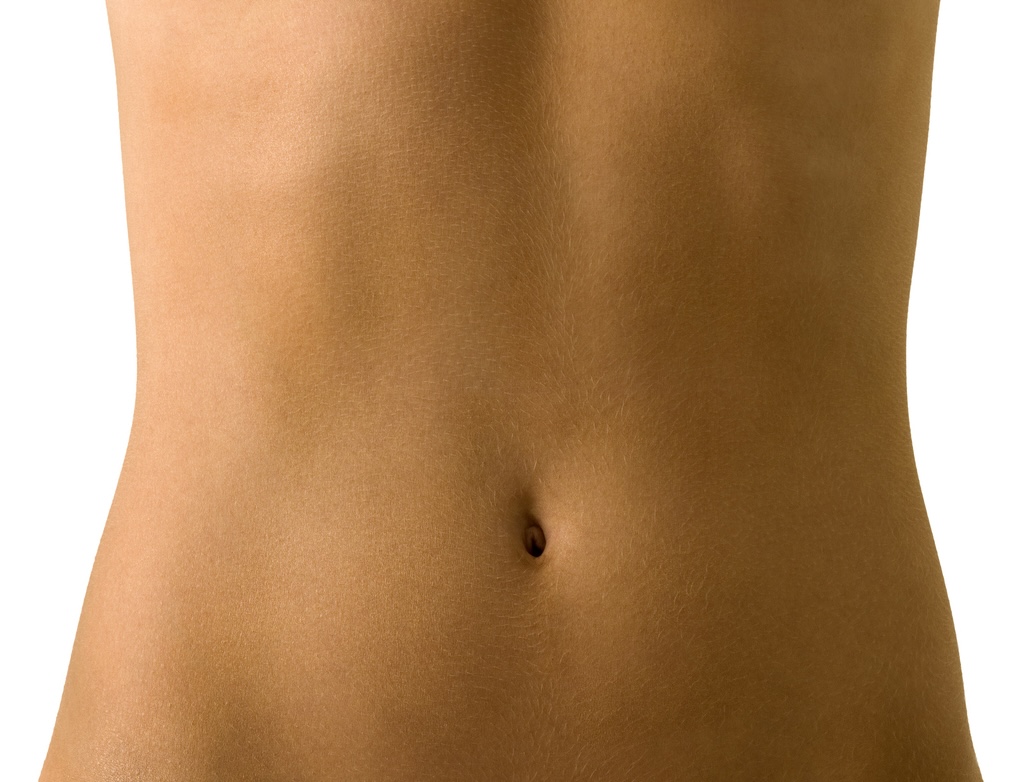
When repositioning is necessary, the belly button becomes one of the more noticeable details in the final result. Its shape, depth, and position can determine how natural the results look once healing is complete.
Dr. Galanis has taught these exact techniques to other plastic surgeons around the world. He has co-led the tummy tuck course at The Aesthetic Society's annual meeting for three consecutive years and has lectured internationally across Europe, Asia, South America, and Africa, where creating a natural-looking belly button during abdominoplasty has been one of his specific teaching topics. In 2024, The Aesthetic Society presented him with its Ted Lockwood Award for Excellence in Body Contouring, one of the most prestigious honors in body contouring surgery.
Recovery and Results Over Time
Regardless of how the belly button is handled, patients can expect some swelling in the area during early healing. A compression garment, worn continuously except while showering, is typically recommended for six weeks to support the tissue and manage swelling. Most patients return to work within two to three weeks, though strenuous activity should wait at least six.
Final results, including the belly button's shape and position, generally become more visible within three to six months as swelling resolves. Regular follow-up visits over the following year allow the care team to confirm the abdomen is healing as expected.
Schedule Your Tummy Tuck Consultation with Dr. Galanis
A natural-looking belly button is one of the clearest signs of a well-executed tummy tuck, and getting it right takes real surgical experience. Dr. Galanis brings that expertise to every abdominoplasty at Galanis Plastic Surgery, keeping the belly button in place when possible and repositioning it with precision when needed. schedule a consultation with Dr. Galanis in Beverly Hills to learn which approach fits your goals.